
A focused portfolio of translational research designed to accelerate treatments for Usher syndrome type 1B.
We prioritize programs that address the critical scientific, delivery, and development barriers standing between promising science and the clinic. We advance multiple paths in parallel — funding each to the next decisive question and scaling support as evidence strengthens.
Research
Portfolio
Current Research Priority Programs | 2026-2027
Funding Multiple Paths Toward a Treatment
Save Sight Now is advancing work across several priority areas, including small-molecule drug repurposing, precision gene editing, large gene delivery, and enabling science and tools. Each program addresses a different part of the path toward potential treatments for Usher syndrome type 1B.
Each is structured around clear milestones that help us determine what should advance, where additional work is needed, and where funding can have the greatest impact.
Identifying Small-Molecule Treatments to Slow Retinal Degeneration
Brian Link, PhD | Medical College of Wisconsin
2 years | $170,000 + (Unravel Biosciences & computational analysis | $10,000)
Save Sight Now has awarded Dr. Brian Link and his team at the Medical College of Wisconsin $168,200 over two years to identify small-molecule treatments that may slow or prevent photoreceptor degeneration in USH1B. Using established MYO7A-deficient zebrafish models, the team will screen repurposed drugs and other prioritized compounds, with promising candidates advancing through dose-response and secondary testing.
The program also aims to strengthen the zebrafish model as a broader therapeutic testing platform by determining whether human MYO7A can rescue retinal defects and, ultimately, enable testing against specific patient variants. Compound selection is being informed by earlier work with Unravel Biosciences and a dedicated computational analysis designed to sharpen which candidates are prioritized for testing.
Developing Gene-Editing Treatments for MYO7A Mutations
Allman Institute for Personalized Medicine
Editor screening - Phase 1 | ~3 months per genotype | ~$100,000–$180,000
Save Sight Now is working with the Allman Institute to develop gene-editing treatment candidates for specific MYO7A mutations associated with USH1B. Depending on the mutation, the program can evaluate adenine and cytosine base editors, compact editors, and prime editing, testing multiple editor-and-guide combinations to identify those that achieve the highest correction with the fewest unwanted edits. The strongest candidates can then advance into validation in patient-derived cells.
The program is intentionally designed to extend beyond a single mutation. Families can have their genotype evaluated for editability and, when a viable path is identified, may have the opportunity to fund a mutation-specific screening track. As additional programs are developed, the longer-term goal is to reuse shared methods, data, and development infrastructure wherever possible—and ultimately work toward a regulatory framework that could be accepted by the FDA across multiple mutation-specific treatments, reducing unnecessary duplication in preclinical and regulatory development.
Creating Patient-Derived Cell Models and Corrected Controls
iXCells Biotechnologies | Research Partner
~3 months per stage | $39,000
Save Sight Now is supporting the creation of patient-derived induced pluripotent stem cell, or iPSC, models. Starting from a patient blood sample, cells are reprogrammed into iPSCs, expanded, quality-tested, and banked to create a renewable human cell model that can support USH1B research and therapeutic development.
For selected lines, a genetically matched corrected control is also created by repairing the disease-causing MYO7A mutation. Because the patient-derived and corrected cells otherwise share the same genetic background, researchers can make more meaningful comparisons when studying the effects of a mutation or evaluating a potential treatment. These models can support downstream work, including gene-editing validation, gene replacement, and other therapeutic studies using human cells carrying the mutations being targeted.
Research Portfolio
Previously Funded Research
Save Sight Now has supported research across disease biology, models, natural history, and enabling tools. The projects below reflect work we have funded or helped advance over time; some remain active today, while others have been completed.
-
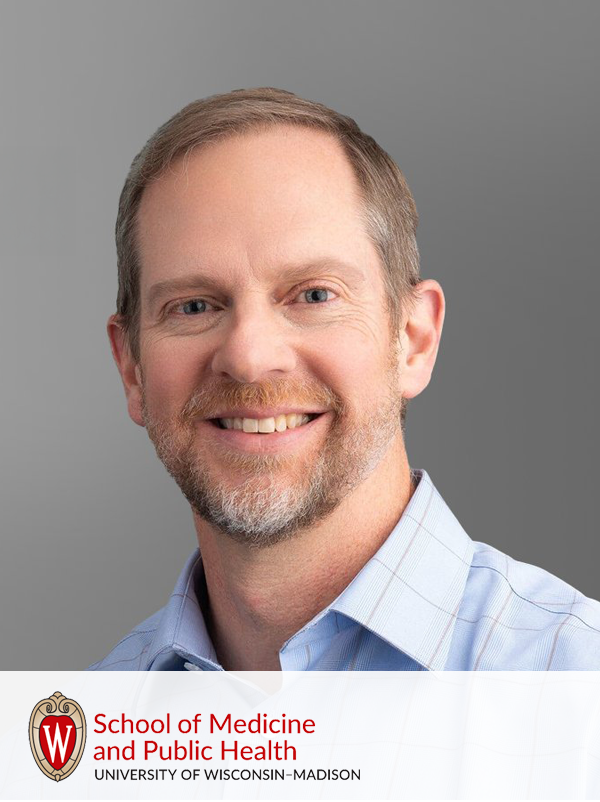
David Gamm, MD, PhD
Director, McPherson Eye Research Institute
University of Wisconsin–MadisonProject Goal: Dr. Celia Bisbach, in collaboration with Dr. David Gamm, is elucidating the human MYO7A interactome to improve understanding of Usher syndrome type 1B and enable the development of potency assays. This foundational work supports future therapeutic testing and regulatory readiness.
-

Brian A. Link, PhD
Professor, Department of Cell Biology, Neurobiology & Anatomy, Medical College of Wisconsin
Project Goal: Led by Dr. Brian Link with support from PhD candidate Alanna Sullivan, this project investigates cell-type–specific MYO7A functions and protein interactions using a zebrafish model of Usher syndrome type 1B. The model enables targeted study of MYO7A’s role in photoreceptor health and supports the development of future therapeutic strategies.
-
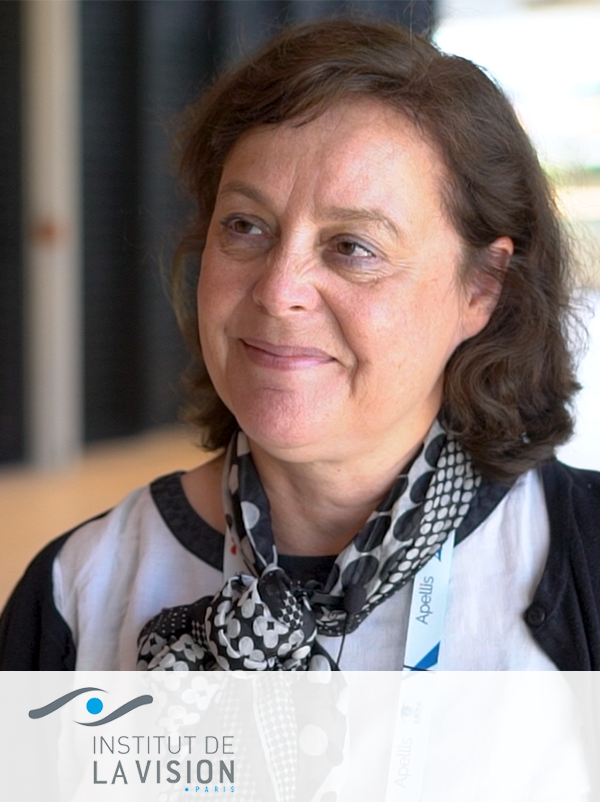
Isabelle Audo, MD, PhD
Assistant Professor of Medicine – Hospital Practitioner & Deputy Director Institut de la Vision, Paris
Project Goal: Led by Dr. Isabelle Audo at the Institut de la Vision in Paris, in collaboration with Drs. Deniz Dalkara, Aziz El-Amraoui, and Serge Picaud, this five-year, multi-track project integrates clinical and therapeutic research to advance gene therapy for Usher syndrome type 1B. The team is investigating USH1B genotype–phenotype correlations, natural history (via the Light4Deaf study), and molecular disease signatures. Therapeutic strategies under development include CRISPR/Cas9 gene editing and a mini-gene approach to correct MYO7A mutations. This comprehensive effort is designed to accelerate translational outcomes and guide future clinical trials.
-

Mark Pennesi, MD, PhD
Professor and Chief of Ophthalmic Genetics, Casey Eye Institute, Oregon Health & Science University
Project Goal: Led by Dr. Kathleen Chirco in collaboration with Dr. Mark Pennesi, this project successfully generated RPE and photoreceptor cell lines from a patient with MYO7A mutations causing Usher syndrome type 1B. These models provide a critical platform for evaluating potential therapies.
-

Uwe Wolfrum, PhD
Professor, Institute of Molecular Physiology
Johannes Gutenberg University MainzProject Goal: Led by Drs. Uwe and Kerstin Wolfrum at Johannes Gutenberg University, this project characterizes a naturally occurring USH1B pig model with MYO7A mutations. The team is developing a porcine colony to study disease mechanisms and support preclinical testing of retinal therapies in a model that better reflects human eye structure.
-

Martha Neuringer, MD, PhD
Professor, Oregon National Primate Research Center & Research Associate Professor of Ophthalmology
Oregon Health & Science UniversityProject Goal: Led by Dr. Martha Neuringer at Oregon Health & Science University and the Casey Eye Institute, this three-year project has successfully created a nonhuman primate model of Usher syndrome type 1B using CRISPR/Cas9. The model exhibits all three key phenotypes of USH1B—balance dysfunction, profound hearing loss, and early-onset retinal degeneration—and provides a highly translational platform for studying disease mechanisms and testing potential therapies.
-

UNI-RARE Natural History Study
A cohort of 45 patients with USH1B enrolled (2024)
Project Goal: Funded in part by Save Sight Now and sponsored by the Foundation Fighting Blindness, the UNI-RARE study is a natural history study focused on inherited retinal diseases, including Usher syndrome type 1B. By tracking disease progression over time, this study helps define clinical endpoints, informs trial design, and supports regulatory approval pathways—laying essential groundwork for future USH1B therapies.
Help us keep this critical research funded.